Views of a City: Robert Ellis
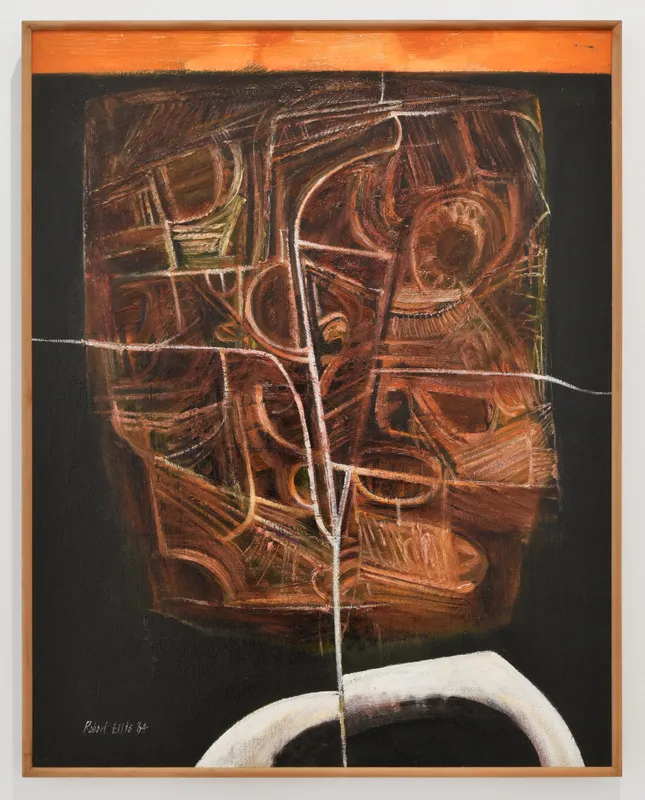
930 x 725mm framed
Robert Ellis (1929–2021) occupies a pivotal place in the development of modern art in Aotearoa New Zealand. Born in England and trained at the prestigious Royal College of Art in London, Ellis arrived in Tāmaki Makaurau Auckland in 1957 to take up a lecturing position at Elam School of Fine Arts at the University of Auckland. What began as an encounter with a new city became a lifelong engagement with land, history, and the complex intersections of Māori and Pākehā worlds.
-
 Robert Ellis, Untitled, c.1950
 -
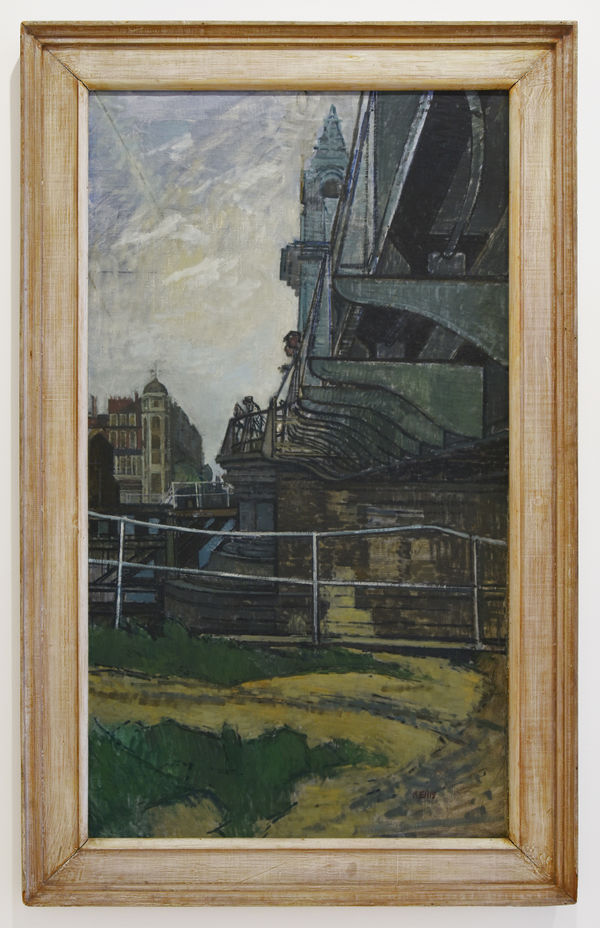
Robert Ellis, Hammersmith Bridge (Woman with Jug reverse), c.1955
-
Robert Ellis, River Bend and City, 1964
-
Robert Ellis, City from a Window, 1964
-
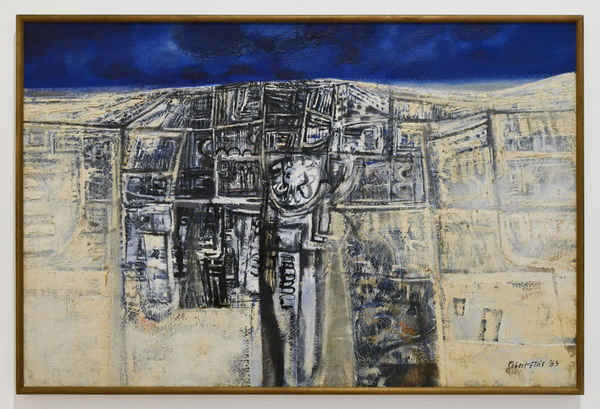
Robert Ellis, White City, 1963
-
Robert Ellis, City With Distant Hill, 1963
-
Robert Ellis, City on a Bend of the River, 1964
-
Robert Ellis, City Landscape Traversed by a River, 1964
-
Robert Ellis, Untitled, 1960
-
Robert Ellis, Untitled, 1960
-
Robert Ellis, Mt Victoria, 1960
-
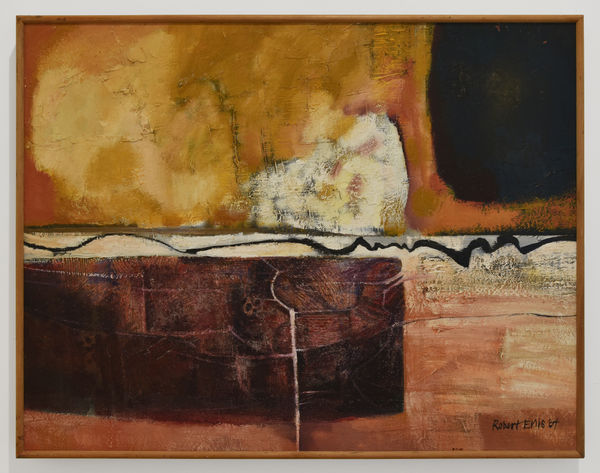
Robert Ellis, City & River, 1969
-
Robert Ellis, City & River, 1964
-
Robert Ellis, Embryonic City, 1962
-
Robert Ellis, Auckland Motorways, 1963
-
Robert Ellis, Untitled, 1962
-
Robert Ellis, City on the River Bend, 1964
-
Robert Ellis, City and River, 1964
-
Robert Ellis, City Landscape with River, 1964












Robert Ellis (1929–2021) occupies a pivotal place in the development of modern art in Aotearoa New Zealand. Born in England and trained at the prestigious Royal College of Art in London, Ellis arrived in Tāmaki Makaurau Auckland in 1957 to take up a lecturing position at Elam School of Fine Arts at the University of Auckland. What began as an encounter with a new city became a lifelong engagement with land, history, and the complex intersections of Māori and Pākehā worlds.
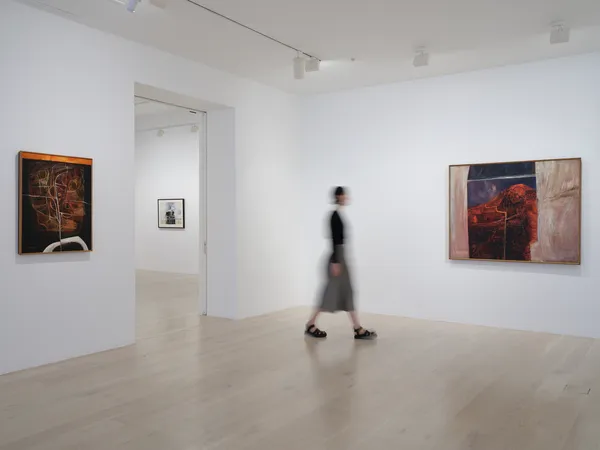
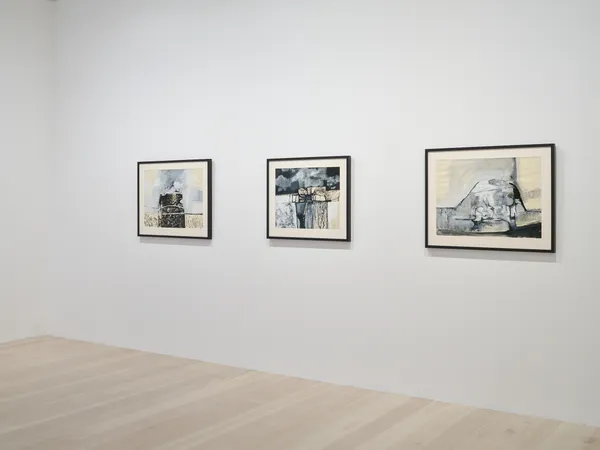
Views of a City focuses on the 1960s when Ellis first came to prominence through his Motorway City works. Developed in response to the rapid transformation of Auckland by post-war highway construction, these works do not depict specific locations. Instead, through combining generalised urban characteristics, Ellis sought to create a universal city symbol. As art critic T.J. McNamara observed in his 1966 review for the New Zealand Herald, “Everything is there: the relationship of the city to the countryside, its patterns of communication, its recreation areas, its rhythm and its life. The final symbol of this and every city.” [1]
Drawing on his experience as an aerial reconnaissance photographer with the Royal Air Force in the late 1940s, Ellis created his distinct overhead perspectives. Like street maps, information is distilled into legible symbols, with Ellis painting layers of viscous veins to trace his motorways against darkened surfaces resisting a singular, fixed viewpoint. Motorways are rendered vertically, clouds appear in profile, and distant horizons quietly reassert themselves, allowing the eye to travel in multiple directions at once. The motorway cuts across the land like a scar – an emblem of modernisation imposed upon whenua layered with long histories of occupation and meaning. As McNamara further noted, “the whole makes a remarkable comment on the patterns of human occupance.” [2]
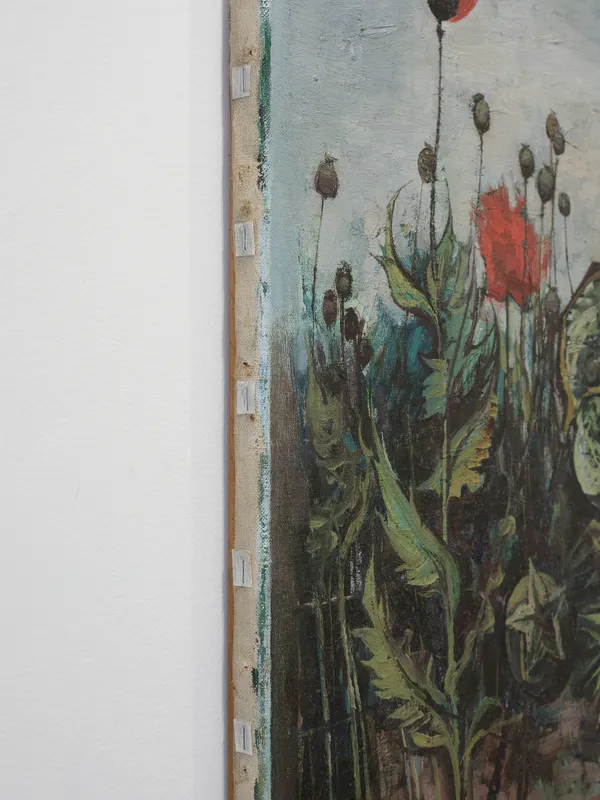
Working across a wide range of mediums, this exhibition brings together oil paintings, works on paper, ink studies and woodcuts, foregrounding Robert Ellis’ exploration of line, form and process during this period of his practice.
This exhibition is presented with the support of the Estate of Robert Ellis.
[1] T.J. McNamara, New Zealand Herald, 6 September 1966, as quoted in Warwick Brown, “A Motorway Journey: A Decade of Paintings by Robert Ellis”, Art New Zealand, No34, Autumn 1985, p.40.
[2] Ibid.
